

Introduction
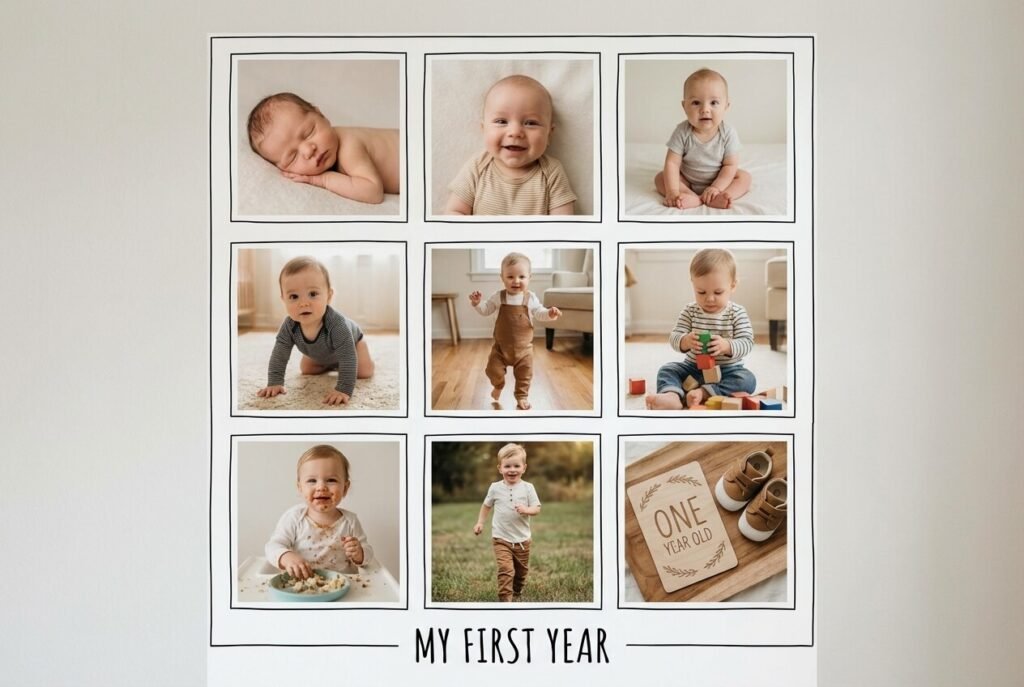
Baby milestone charts can be helpful, but they can also create unnecessary stress. Understanding what matters and what doesn’t, helps parents feel more confident.
Every Baby Develops Differently
Milestones represent averages, not deadlines. Development happens in ranges.
Month-by-Month Overview
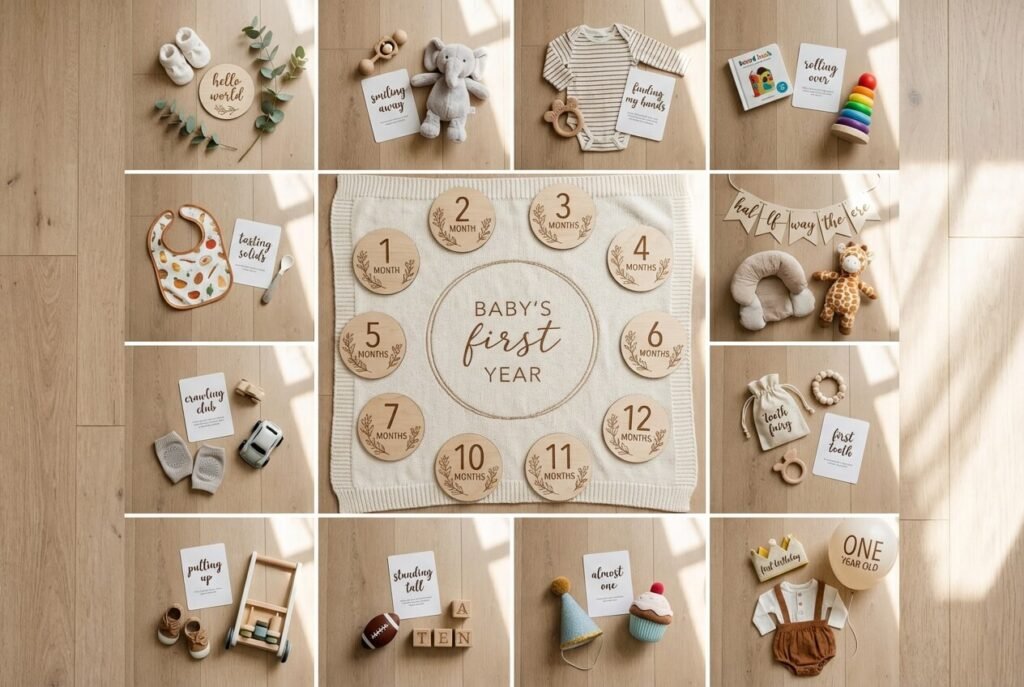
0–3 Months
Bonding, reflexes, eye contact.
4–6 Months
Rolling, laughter, curiosity.
7–9 Months
Sitting, babbling, recognition.
10–12 Months
Standing, early words, mobility.
What Matters More Than Checklists
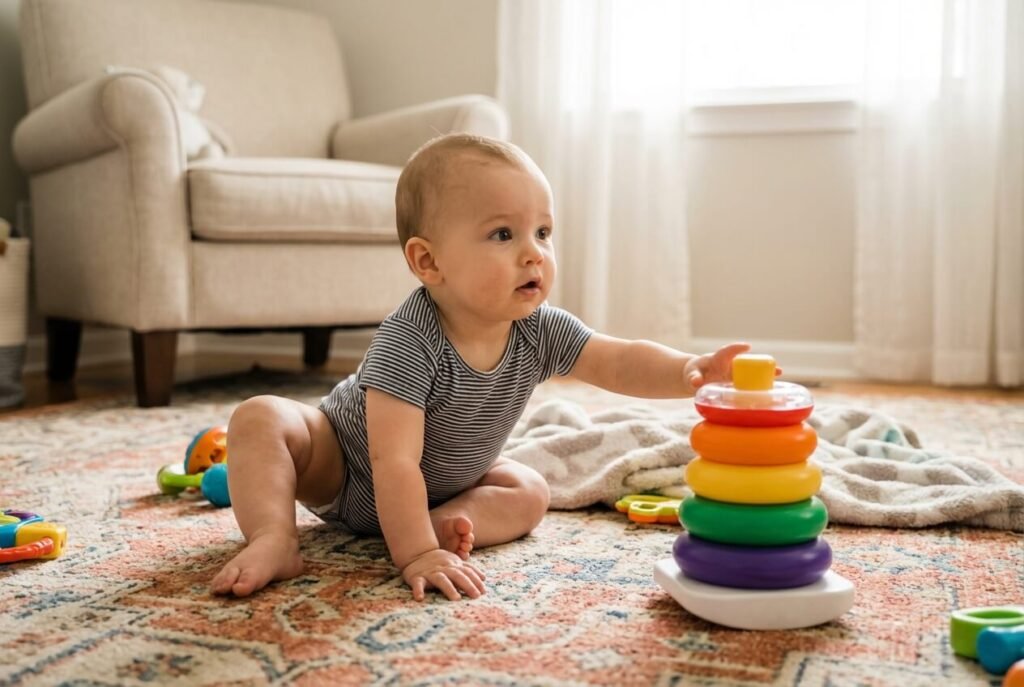
Connection, growth trends, and emotional development matter more than timing.
What You Can Skip
Comparison, pressure, and rigid expectations.
Tracking Milestones Without Stress

Track milestones as memories, not measurements.
Milestones aren’t deadlines — they’re memories.
Track your baby’s growth and milestones without pressure using The Days We Keep. Save progress as moments, not measurements.
📊 Visual growth timelines
🍼 Personalized milestone tracking
💛 Memories tied to real life, not comparison
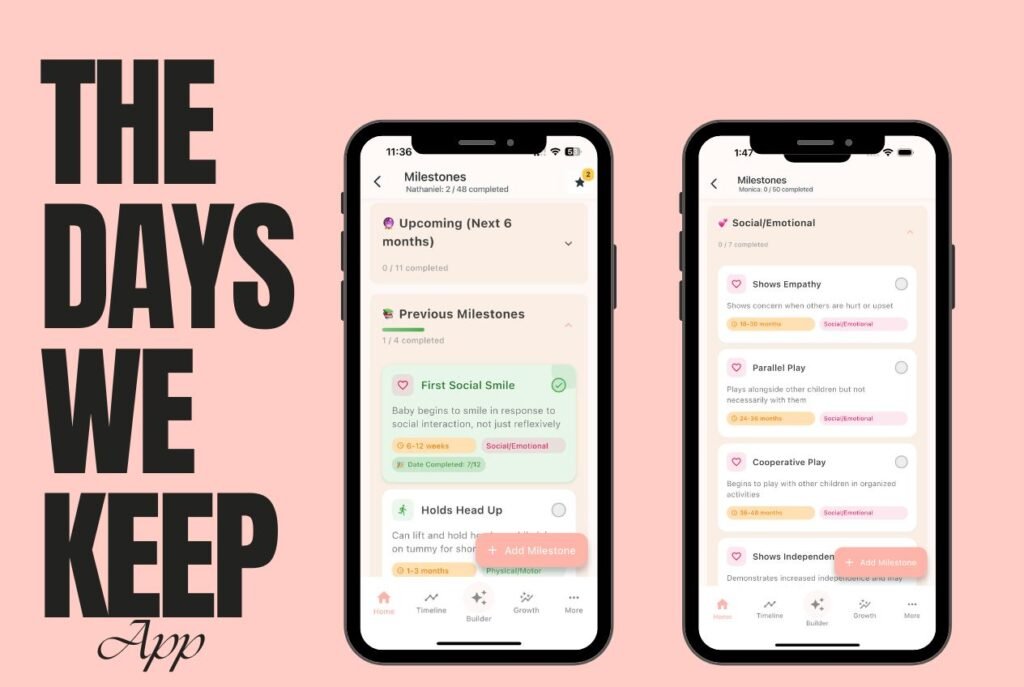
Celebrate your baby’s journey — your way.
FAQS
What baby moments do parents miss most later on?
Parents often miss everyday moments like bedtime routines, favorite songs, middle-of-the-night feeds, and early personality traits.
Why aren’t these moments on milestone charts?
Milestone charts focus on development benchmarks, not emotional or relational experiences.
How can parents save everyday baby moments?
Saving a photo with a short note is one of the simplest and most effective ways to preserve these moments.
