


Introduction
Feeding your baby is one of the most emotional and meaningful parts of early parenthood. From the very first feed in the hospital to messy high-chair meals months later, feeding moments are filled with learning, uncertainty, bonding, and love. Yet many parents feel overwhelmed by conflicting advice, comparisons, and pressure to “get it right.”
This guide is designed to gently walk you through baby feeding basics — without judgment — while also reminding you that these moments are worth remembering. Feeding is not just about nutrition; it’s about comfort, trust, and connection. And one day, these quiet routines may become some of the memories you cherish most.
🍼 The First Feeds: Building Trust and Bonding
The early days of feeding are often a blur of exhaustion, emotion, and adjustment. Whether you breastfeed, formula-feed, pump, or combine approaches, the most important goal is nourishment — for both your baby and yourself.
Important reminders for new parents:
- There is no single “right” way to feed your baby
- Feeding choices do not define your worth as a parent
- Bonding happens through presence, not perfection
During these early feeds, babies learn that their needs will be met. Skin-to-skin contact, eye contact, and gentle voices help establish trust and security.
📸 Memory tip: Save a short note or photo about your baby’s early feeding days — where you were, how you felt, and what surprised you most.
Many parents later wish they had captured these fleeting moments. Learn more in Why Parents Regret Not Saving More Baby Memories.

🥄 Introducing Solids: A New Chapter of Exploration
Around six months, many babies begin solids. This milestone marks a shift — feeding becomes playful, messy, and exploratory.
Signs your baby may be ready for solids:
- Sitting upright with support
- Showing interest in food
- Ability to bring objects to mouth
- Loss of tongue-thrust reflex
Start with simple textures and flavors, and follow your baby’s cues. Some days they’ll eat eagerly; other days they may refuse everything. Both are normal.

🧠 Feeding as Emotional and Sensory Development
Feeding time supports more than physical growth. It plays a role in:
- Emotional regulation
- Sensory exploration
- Early communication
- Secure attachment
When feeding is calm and responsive, babies learn to trust their bodies and caregivers. For parents, slowing down during feeding can help reduce stress and increase confidence.
Preserving everyday moments like feeding can also support emotional wellbeing. Read Why Keeping Memories Can Help with Postpartum Anxiety.
🧩 Common Feeding Challenges (And Gentle Reassurance)
Most families encounter challenges such as:
- Fussiness or refusal
- Messy eating
- Pressure from others
- Comparing progress to other babies
Remember: feeding is a skill learned over time. Progress is not linear, and setbacks are part of growth.
📓 Reflection idea: Write a note about a feeding challenge you overcame — you may be proud of it later.
📱 How to Remember Feeding Milestones Without Pressure
You don’t need to track every bite. Focus on moments that matter:
- First solid food
- Favorite meal
- First time holding a spoon
- A joyful or messy feeding memory
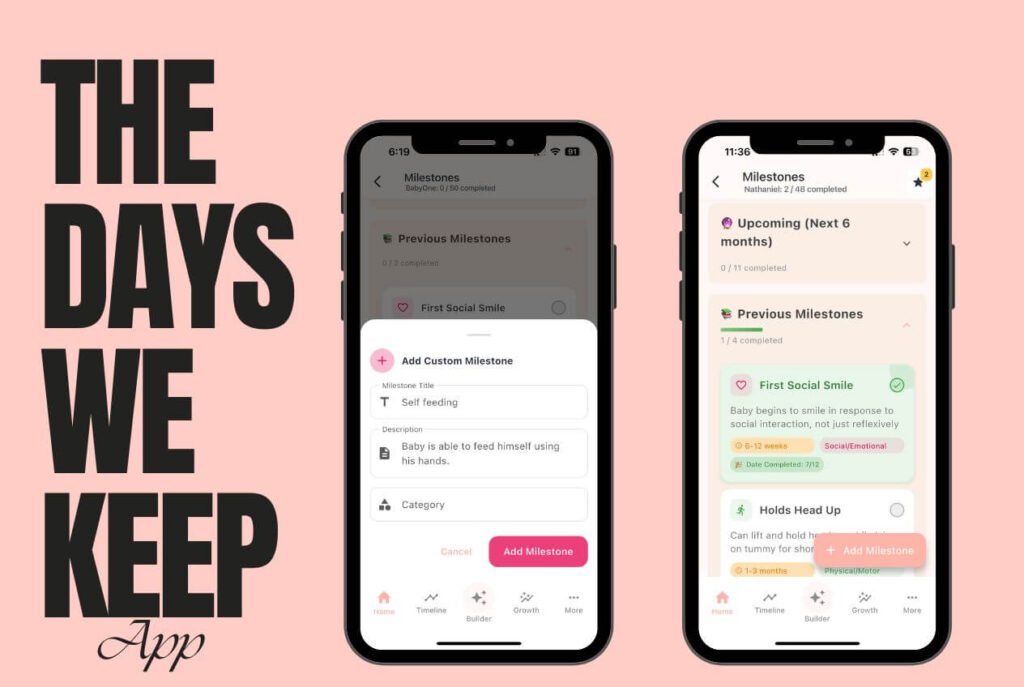
With The Days We Keep, parents can save photos, notes, and feeding milestones in one calm, private space — without turning memories into chores.
🌱 Final Thoughts
Feeding is a journey of nourishment, patience, and love. Trust yourself, listen to your baby, and allow feeding moments to be imperfect and meaningful. These everyday rituals won’t last forever — but the memories can.
Capture feeding memories effortlessly with The Days We Keep — because these moments matter more than you think.
